
HBOT and Carbon Monoxide Exposure: What the Science Says
Carbon monoxide (CO) exposure remains one of the most dangerous yet common household and industrial risks.
Introduction
Carbon monoxide (CO) exposure remains one of the most dangerous yet common household and industrial risks. Even low-level exposure can impair oxygen delivery to tissues. Hyperbaric Oxygen Therapy (HBOT) is widely used in clinical settings to assist with recovery after CO exposure — but what does the science actually say, and how does it fit within wellness-oriented oxygen therapy?
Why CO Exposure Is So Harmful
CO binds to hemoglobin with over 200x higher affinity than oxygen.
This reduces the body’s ability to transport oxygen, causing tissue injury, cognitive impairment, and prolonged fatigue — sometimes even after initial symptoms resolve.
How HBOT Supports Recovery After CO Exposure
Research suggests three primary mechanisms:
1. Faster Removal of CO From the Bloodstream
Increased atmospheric pressure accelerates the dissociation of CO from hemoglobin, allowing oxygen to replace it more efficiently.
2. Restoring Oxygen Delivery to Hypoxic Tissues
Pressurized oxygen dissolves into plasma, not just hemoglobin — meaning oxygen delivery bypasses the blocked pathways.
3. Supporting Cognitive & Neurological Recovery
Studies indicate that HBOT may reduce the risk of delayed neurological sequelae by improving oxygenation in sensitive brain regions.
Wellness Translation (Non-Medical Use)
For non-emergency recovery centers, the relevance is educational:
HBOT is one of the few therapies with extensive research on oxygen kinetics and hypoxia-related repair.
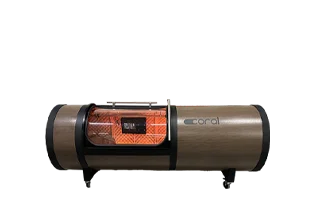
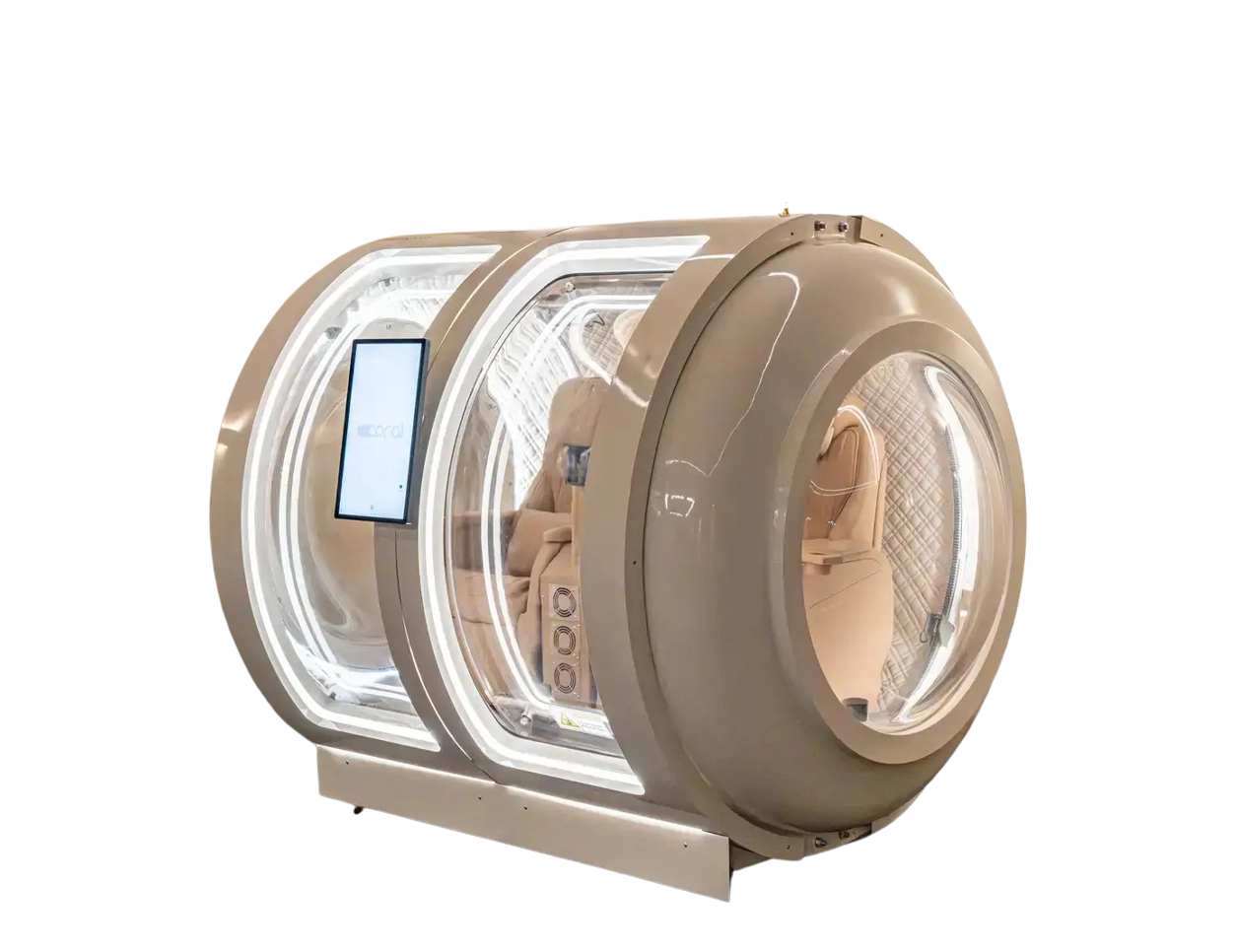
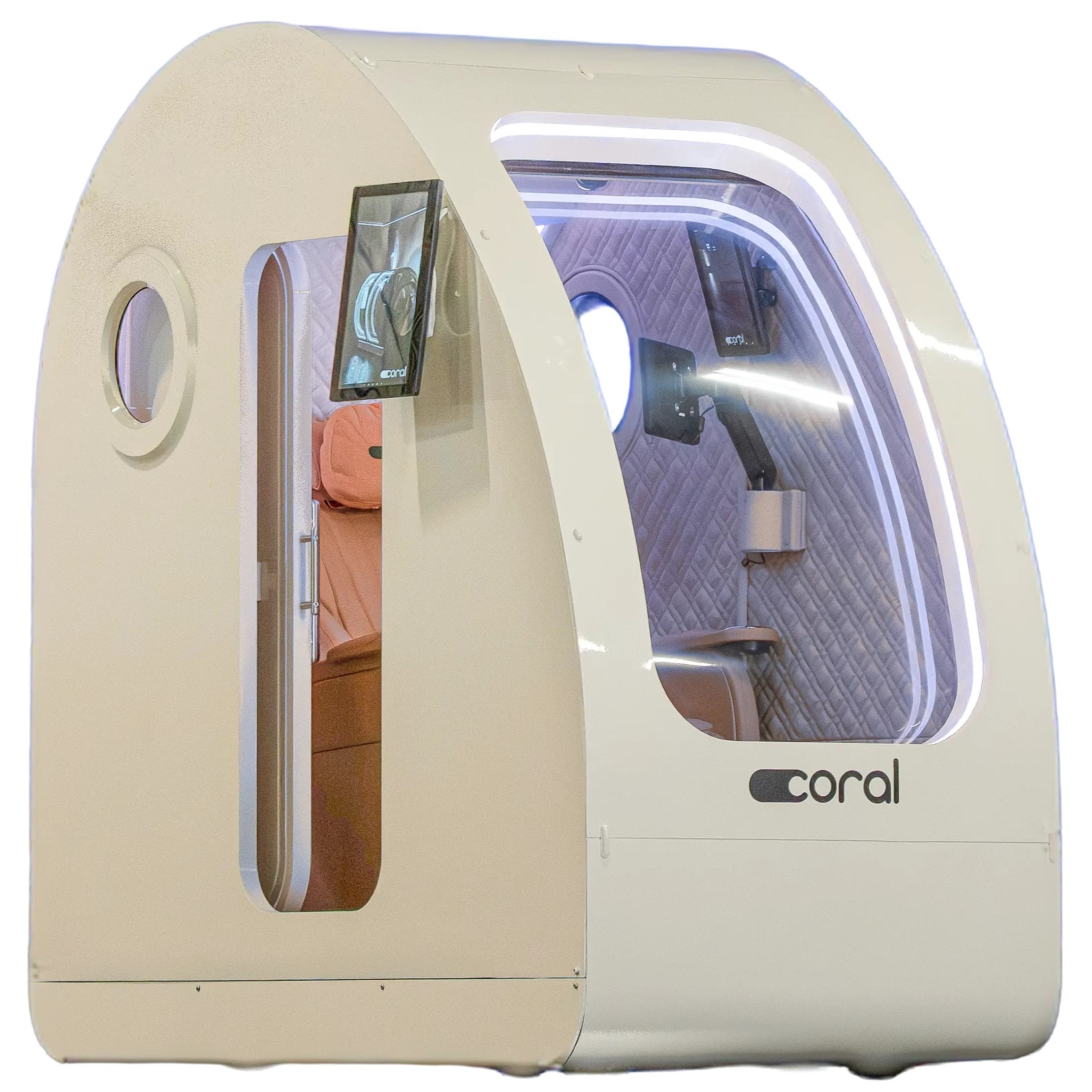
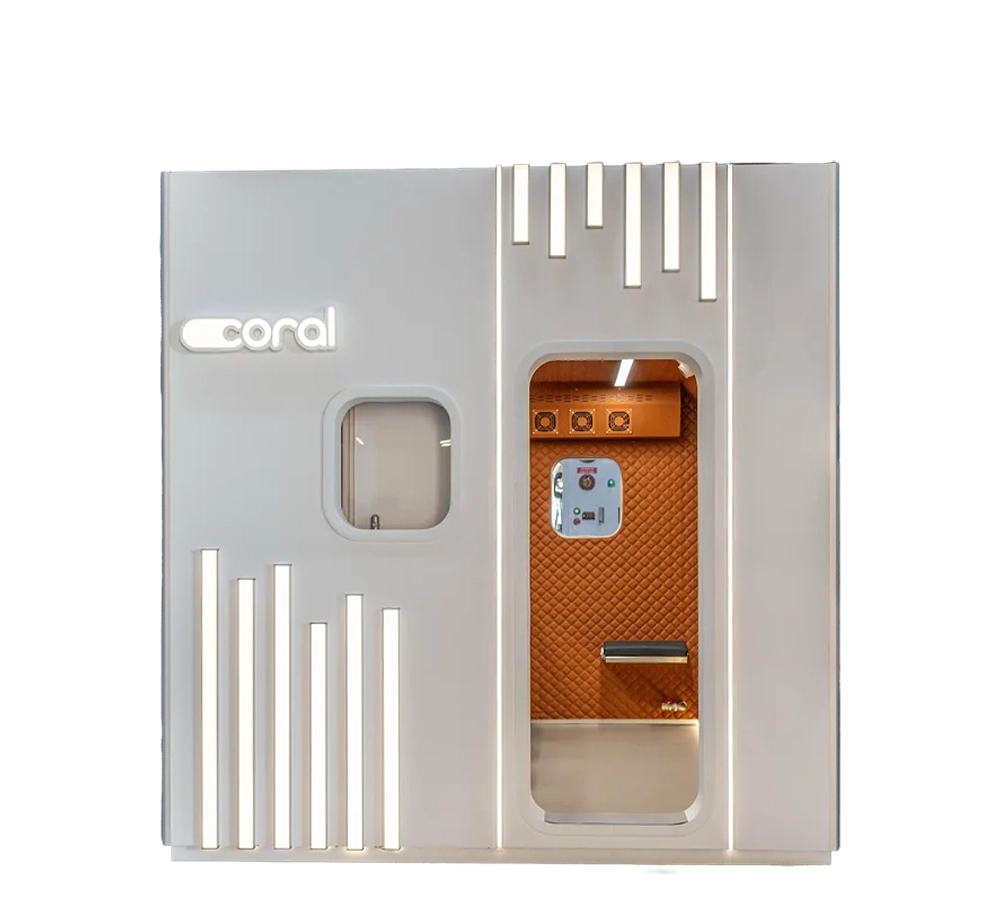
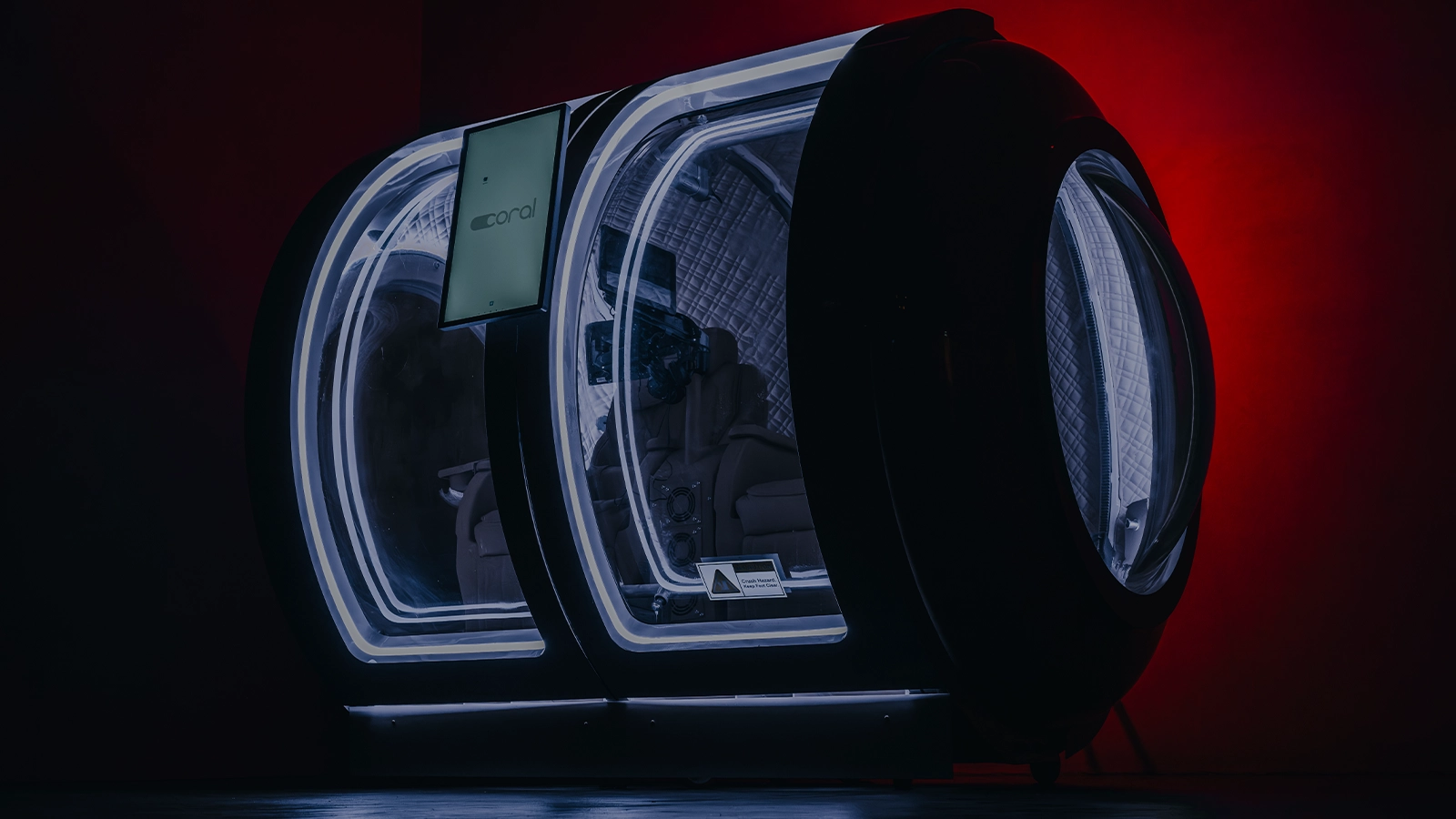
While Coral Wellness chambers are not medical devices, they are inspired by the same engineering principles that support controlled oxygenation, circulation, and systemic recovery.
Key Takeaway
CO poisoning is a clinical emergency, but understanding the underlying science helps wellness users appreciate how oxygenation impacts healing, clarity, and long-term recovery.